Wilderness Landscape & Natural Heritage
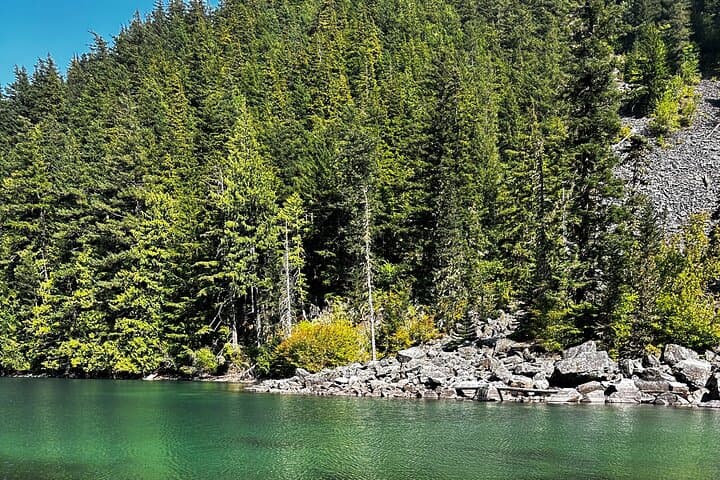
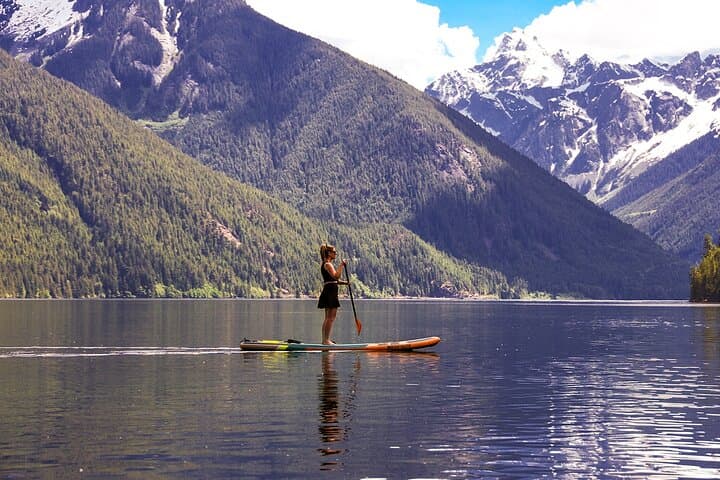
Mount Baker Wilderness, established in 1984, covers over 117,000 acres in the North Cascades of Washington, providing a sanctuary for both adventurers and wildlife. Dominated by the iconic Mount Baker, a stratovolcano standing at 10,781 feet, the wilderness features rugged terrain, lush forests, alpine meadows, and glacial landscapes. This area is a paradise for hikers and climbers who seek solitude and unspoiled beauty. Its trails weave through dense woods of Douglas fir and hemlock, open into wildflower-strewn meadows, and ascend to high alpine vantage points with expansive views of the surrounding peaks. The wilderness is home to an array of wildlife, including black bears, mountain goats, and a variety of bird species. Recreational activities such as hiking, backpacking, and snowshoeing are popular due to the diverse landscapes and well-maintained trail system. History buffs can appreciate the remnants of past volcanic activity seen in the geological formations scattered throughout the area. The Mount Baker Wilderness stands out for its natural beauty, serene environment, and the opportunities it provides for outdoor exploration and wildlife observation.